

Research & Insight
Grounded in stakeholder interviews, persona research, and competitor benchmarking, we distilled those key insights.
01
High Consumption & Cost
Families spend on average $840/year on disposable diapers. Reuse-oriented solutions could significantly reduce household burden.
02
Material Sensitivity
Parents expressed concerns about harmful chemicals and non-breathable plastics. Materials need to be hypoallergenic, soft to touch, breathable, and safe for sterilization.
03
User Needs
Parents need a hygienic, easy-to-use solution that balances convenience with sustainability.
04
Environmental Impact
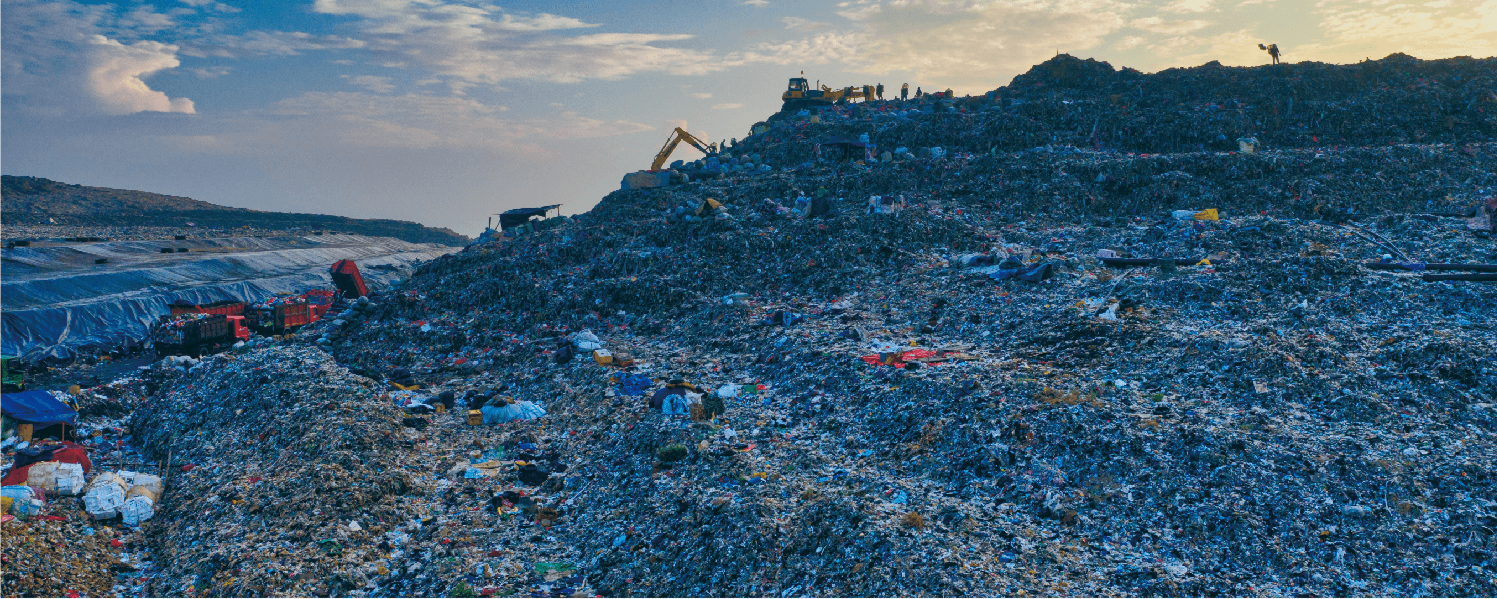
92% of disposable diapers end up in landfills, taking up to 500 years to decompose. A material solution that is durable in use but biodegradable post-use is essential.
Disposable diapers are the third largest single consumer item buried in the landfills.
Material Innovation
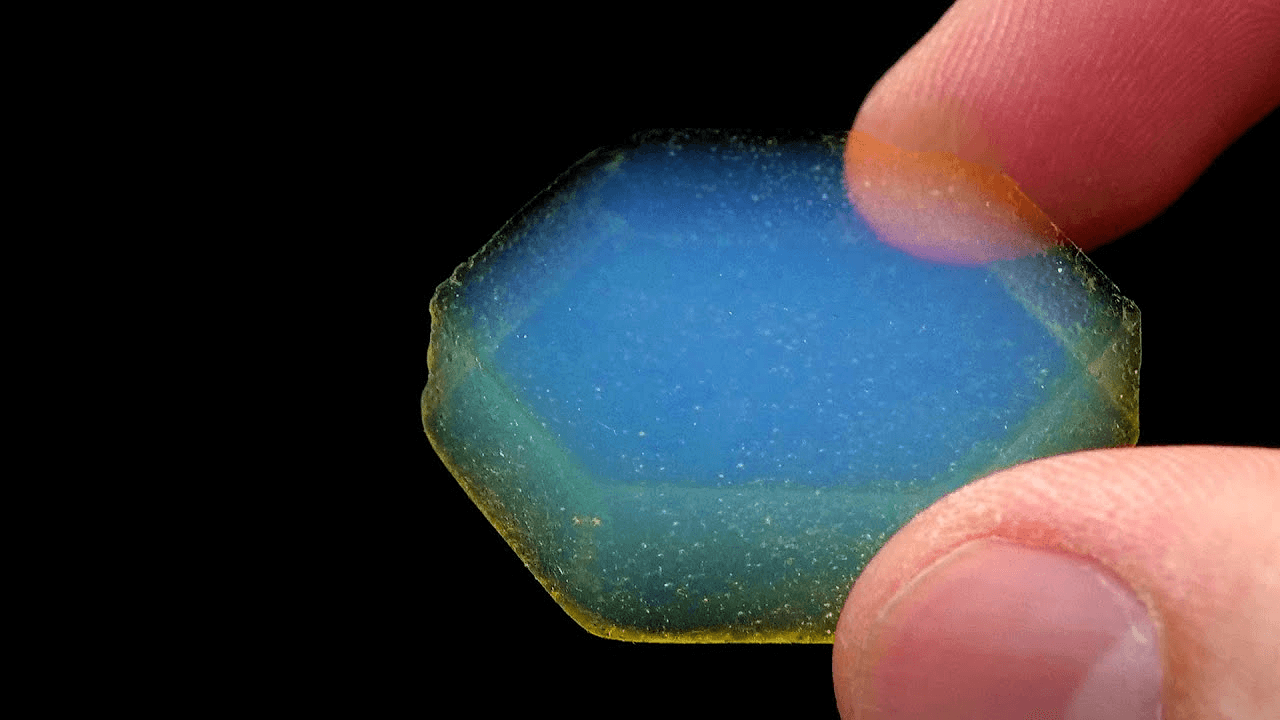
At the heart of BeeCool’s design lies Aerogel, a breakthrough material known for its lightweight, breathable, and highly insulating properties.
01
Breathability & Comfort
The porous nano-structure allows constant airflow, keeping the baby’s skin dry and reducing the risk of rashes.
02
Thermal Regulation
Aerogel provides natural temperature balance, preventing overheating while maintaining comfort.
03
Safety for Infants
Non-toxic, hypoallergenic, and dermatologically safe, ensuring gentle contact with sensitive skin.
04
Sustainability
Unlike conventional polymers, Aerogel can be reused and safely processed after end-of-life, minimizing environmental footprint.
Design
Challenges
01
Breathability & Comfort
The porous nano-structure allows constant airflow, keeping the baby’s skin dry and reducing the risk of rashes.
02
Thermal Regulation
Aerogel provides natural temperature balance, preventing overheating while maintaining comfort.
03
Safety for Infants
Non-toxic, hypoallergenic, and dermatologically safe, ensuring gentle contact with sensitive skin.
04
Sustainability
Unlike conventional polymers, Aerogel can be reused and safely processed after end-of-life, minimizing environmental footprint.
" width="709.572779244857px"><path d="M 1.221 11.279 C 11.396 11.279 17.21 2.521 5.582 3.981 C 5.582 -3.321 -3.14 -0.4 1.221 11.279 Z" fill="transparent" height="11.278717735220447px" id="RYfeqxtDD" stroke-dasharray="0" stroke-linecap="round" stroke-linejoin="round" stroke-width="5" stroke="rgb(115, 148, 201)" transform="translate(416.725 73.708)" width="12.003566672054433px"/><path d="M 0 190.789 C 176.779 -59.996 272.918 -51.174 217.095 145.018 C 235.018 82.051 331.461 47.212 301.409 91.026 C 266.21 142.328 346.468 134.814 346.468 134.814 C 359.55 134.328 381.937 125.747 401.707 107.066 C 393.948 114.363 371.153 134.814 411.881 134.814 C 504.911 134.814 545.148 27.508 519.447 22.379 C 504.911 19.478 406.062 145.018 548.517 145.018 C 674.978 145.018 672.071 34.058 606.663 47.212 C 536.997 61.226 476.062 148.214 586.809 144.079 C 668.074 141.045 694.841 126.868 682.565 119.492 C 657.212 104.258 650.646 135.759 709.573 144.079" fill="transparent" height="190.78859130221286px" id="kzGa5HCHF" stroke-dasharray="0" stroke-linecap="round" stroke-linejoin="round" stroke-width="15" stroke="rgb(115, 148, 201)" transform="translate(0 0)" width="709.5727791688212px"/></g></svg>)